
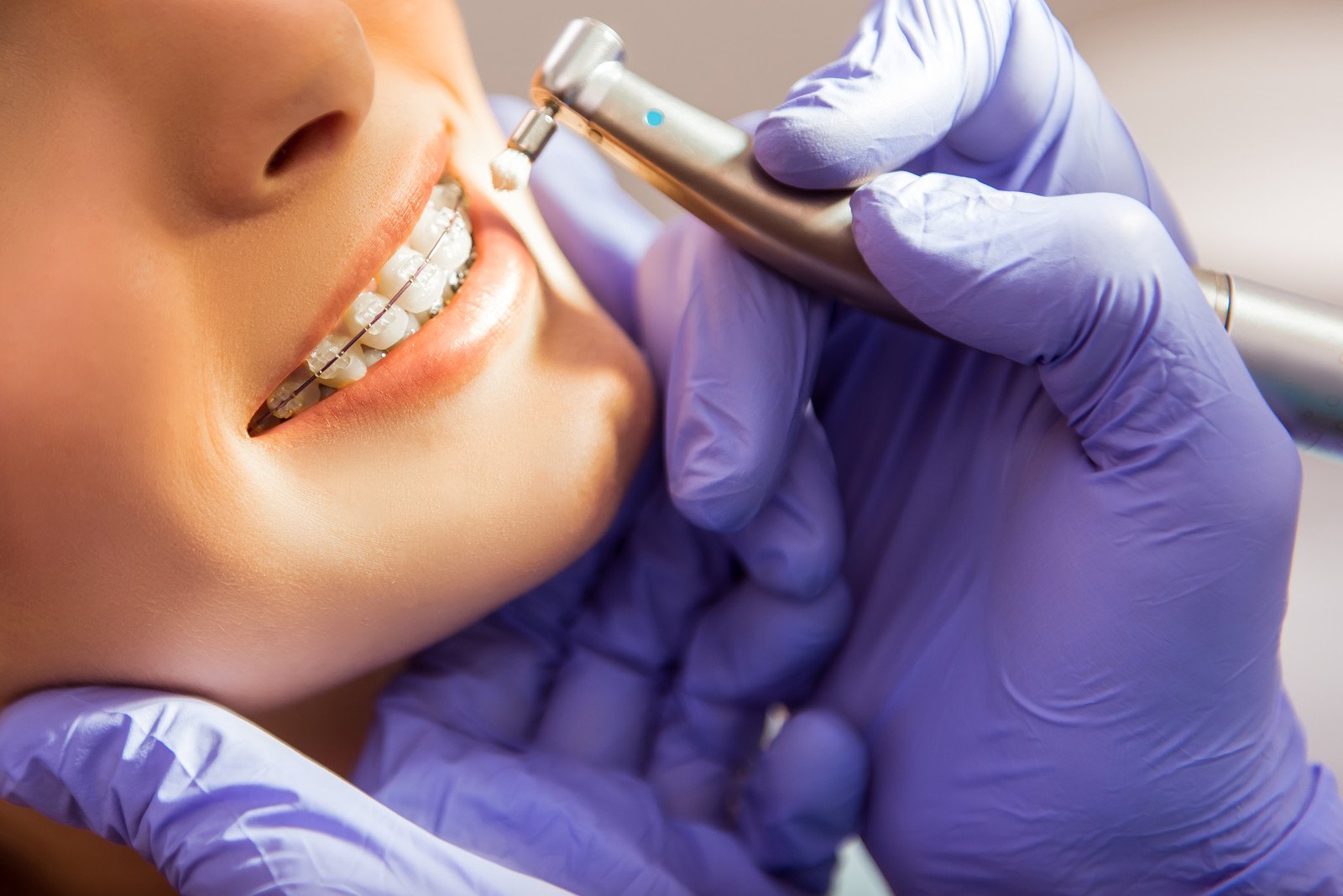
Tips for Brushing Your Teeth with Braces
Braces are an effective orthodontic teeth-straightening solution for misaligned teeth and malocclusion disorders. They will help you align your teeth, provide you with a perfect smile and a healthier oral cavity by correcting your bite alignment. Once you leave your dental clinic in Edmonton after completing your braces treatment, you can celebrate your results. However, the orthodontic treatment journey might feel lengthy, especially when it comes to caring for your teeth with braces. Keeping them clean becomes more difficult due to the metal wires and ceramic brackets, but we have some of the most useful tips for you right below!
Why should you brush teeth without toothpaste first?
We know you want to use a fluoride toothpaste that contains minty ingredients to freshen your breath. But first, you should brush your teeth with only water on your toothbrush. The reason for this is that the foam created by the toothpaste can block your view of your teeth when brushing around orthodontic appliances.
Instead, apply toothpaste to your brush after you have removed all visible plaque and food residue for that fresh feeling only fluoride toothpaste can provide.
How does picking motion clean braces better than brushing?
Using a picking motion rather than a scrubbing motion will help you reach in between the orthodontic wires of your braces instead of just brushing over them. This technique is very effective when it comes to cleaning your teeth with braces and removing trapped food particles.
Furthermore, there are special interdental brushes you can use that are in the shape of a cylinder, known as interdental brushes. Ask your dentist in Edmonton about them as they can be of great help for cleaning around brackets and wires.
What type of toothbrush works best with braces?
You will want to avoid harming your gums while wearing orthodontic braces. However, one of the places you will want to reach is the area between your gums and your braces. Therefore, using a soft-bristled toothbrush is recommended by orthodontic professionals.
This way, you will protect your gums from any type of harm or irritation. Hard bristles can even break your skin, which might lead to gum inflammation or an oral infection.
Does toothpaste flavor affect braces cleaning effectiveness?
We know toothpaste is not food, but if you like the taste of it, then you’re more likely to spend the appropriate amount of time brushing your teeth with braces. It might sound inconsequential, but this tiny detail greatly influences the result of your oral hygiene routine.
Furthermore, since fluoride is present in most kinds of toothpaste, there’s no reason why you can’t buy the flavour you prefer. You will be getting the cavity protection you need anyway.
Should you rinse after brushing with braces?
This advice is especially useful at night when fluoride can work longer on your tooth enamel. When you get a dental cleaning, your dentist in Edmonton will often apply some professional fluoride at the end of the treatment.
You can mimic this professional fluoride treatment at home by not spitting after you brush your teeth at night. Or simply spit a little bit of it but don’t rinse with water. This way, you will keep some of the toothpaste and the fluoride in contact with your teeth. This technique will provide you with greater protection against cavities as you sleep.
How long should you brush teeth with braces?
Do you remember when we mentioned toothpaste taste before? The whole idea was to keep you brushing your teeth longer. The recommended time you should spend brushing your teeth is two minutes minimum for orthodontic patients.
This way you’ll make sure you’re covering everything from the upper side to the lower side of your mouth, including your cheeks and tongue. You can even time how long you spend brushing with a timer app. It probably is less than two minutes, so be sure you are not rushing through your oral hygiene routine.
Are electric toothbrushes better for braces care?
You might want to consider getting an electric toothbrush for orthodontic braces care. This may feel more comfortable to brush after you leave the dental clinic in Edmonton with your braces on. Electric toothbrushes often have specialized brush heads for orthodontic appliances and provide consistent brushing motion.
If it makes things easier, and you take into account how long you are brushing for, then go ahead and go electric! Whatever helps you keep your teeth and braces germ-free and prevents decay during your orthodontic treatment.
Key Takeaways about Caring for Teeth with Braces
- Braces help align teeth for a perfect smile and healthier oral cavity, but brushing teeth without toothpaste initially improves visibility to remove plaque and food residue before applying toothpaste for freshness.
- Using a picking motion rather than scrubbing helps reach between wires, while special interdental brushes designed specifically for braces care can effectively clean around brackets and wires.
- A soft-bristled toothbrush protects gums from harm while allowing you to clean the area between gums and braces thoroughly without causing irritation or inflammation.
- Selecting a toothpaste flavor you enjoy encourages spending the full recommended two minutes brushing, which ensures complete coverage of all surfaces including upper and lower teeth.
- Gallery Dental recommends avoiding rinsing after brushing at night to maximize fluoride contact with teeth, mimicking the professional fluoride treatments applied during dental cleanings at their Edmonton clinic.
- Electric toothbrushes with specialized orthodontic brush heads offer additional cleaning power and can make braces care easier and more effective at preventing decay during orthodontic treatment.
- Keeping teeth and braces clean requires brushing after every meal, as food particles trapped in braces can lead to professional dental cleaning visits to address plaque buildup and prevent cavities.
- Regular visits to dental professionals in Edmonton ensure braces are properly maintained and adjusted throughout the entire orthodontic treatment process.
- Properly maintaining oral hygiene with braces through consistent teeth protection practices is essential for achieving the desired results from orthodontic treatment.


